
Warehouse automation quotes have a reputation for sticker shock, and the honest range really is enormous. A single automated storage unit can cost less than a new forklift, while a fully automated distribution center can cost millions of dollars. The range is so extreme because warehouse automation cost varies with the level of automation.
In general, investing in automation can range from about $50,000 for a focused improvement to $25 million or more for a highly integrated distribution center. Department-level projects often fall between $250,000 and $1 million. Multi-zone systems can move into the $1 million to $5 million range.
These are industry-typical planning ranges, not quotes. Facility conditions, throughput, equipment, software, integration, installation, and timing can move a project outside any of the examples above.
What Drives the Cost of Warehouse Automation?
Four groups of variables have the greatest effect on the budget.
Project Scope and Performance Requirements
Important inputs include orders per hour, units, SKU count, inventory, product dimensions, pallet weights, replenishment, shifts, peak demand, accuracy, and growth. Peak throughput can affect cost more than daily averages because a seasonal surge may require added machines, robots, conveyor capacity, storage, or workstations.
Automation Technology
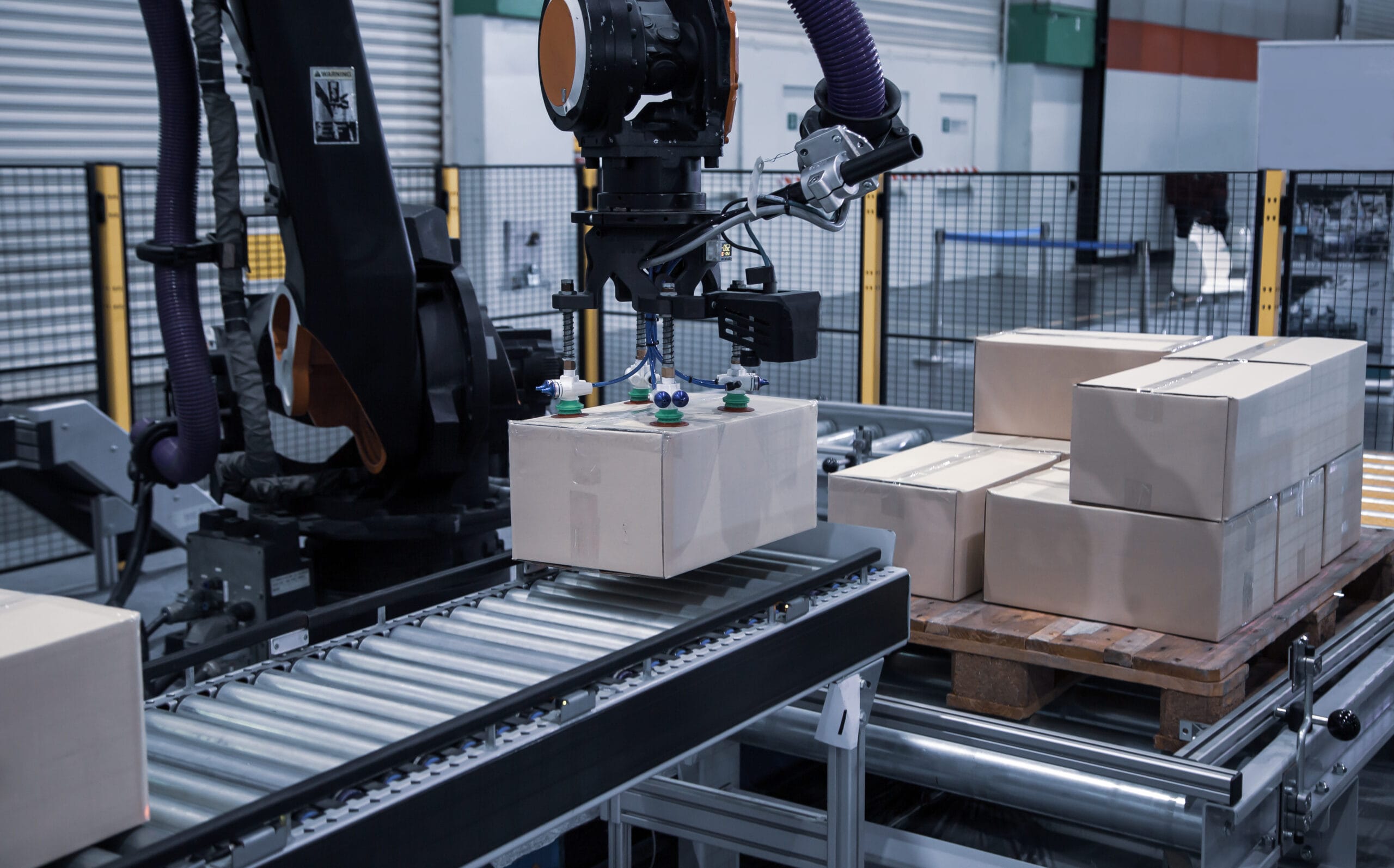
Equipment changes the investment and operating model. Conveyors use fixed paths. AMRs require fleet and charging plans. AS/RS combines storage, retrieval equipment, controls, workstations, and software. Robotic picking or palletizing adds tooling, sensing, guarding, and testing. Capacity, speed, distance, payload, redundancy, and environment also affect price.
Integration Complexity
Automation may exchange information with warehouse management, warehouse control, enterprise software, scanners, printers, and other devices. Custom rules, old software, weak data, and several platforms add design, programming, testing, and support. Integration needs its own budget, schedule, acceptance criteria, and owner.
Facility Condition
Existing buildings may need floor repairs, structural review, electrical service, charging areas, network coverage, fire-protection changes, guarding, equipment access, demolition, or temporary storage. New facilities still require coordination among building, rack, automation, electrical, and software plans. Active warehouses may need phased installation to keep shipping.
AS/RS System Cost Factors
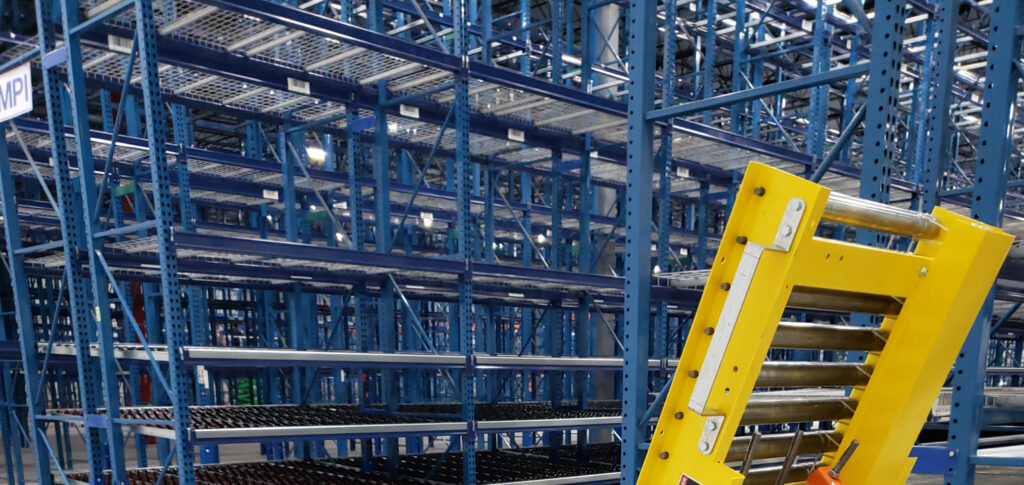
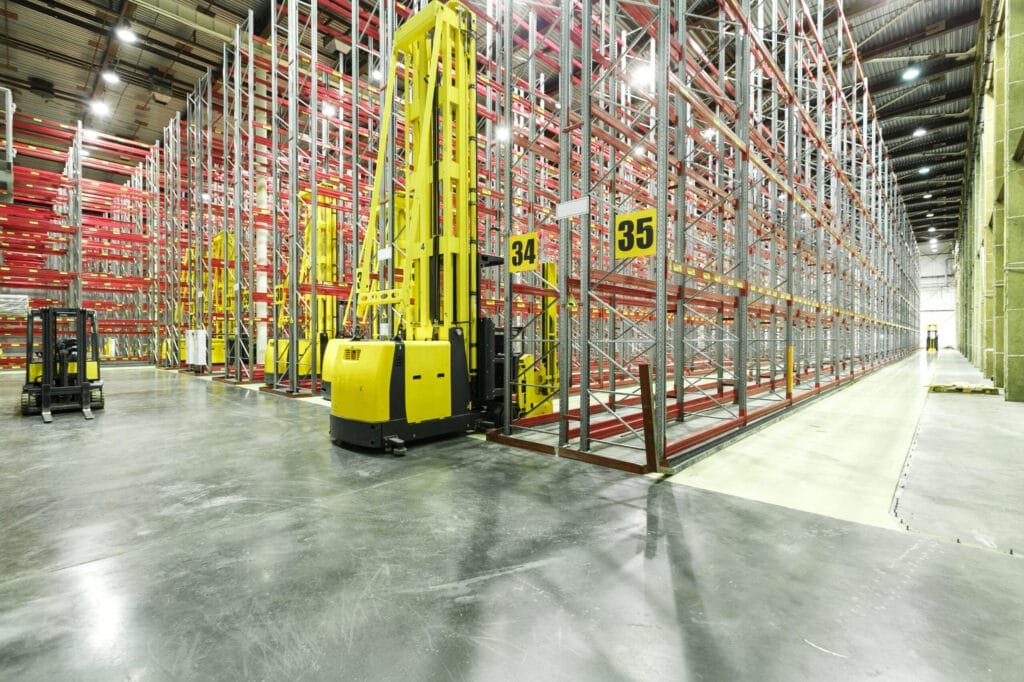
ASRS system cost (automated storage and retrieval system cost) varies by load, density, throughput, height, and retrieval method. Public industry guides commonly place stand-alone vertical storage equipment around $70,000 to $200,000 or more. Mini-load AS/RS may begin near $750,000. Unit-load, shuttle, and robotic cube-style systems often begin around $1 million to $1.5 million and rise with scale.
A complete ASRS system cost may include:
- Rack, bins, totes, trays, or pallets
- Cranes, shuttles, lifts, robots, or extractors
- Conveyor, transfer equipment, and workstations
- Controls, safety devices, and software
- WMS or ERP integration
- Freight, installation, testing, and training
- Facility work, spare parts, maintenance, and support
Product size, weight, and throughput determine equipment, structure, machines, aisles, ports, and workstations. Redundancy adds cost while reducing dependence on one machine.
AMR and Warehouse Robotics Cost Factors
The cost of autonomous mobile robots is usually quoted as a fleet or subscription. A small pilot may begin in the low six figures. Larger deployments with many robots, workstations, software, and integration can reach seven figures.
Budget for robot count, payload, attachments, charging, fleet software, network improvements, deployment, integration, training, support, and peak capacity. Travel distance and missions per hour help determine fleet size.
Providers may sell equipment or offer robotics as a service. Compare the full subscription cost, service terms, scaling rules, and exit conditions with ownership. ROI for warehouse robotics depends on work removed, productivity, overtime, shifts, and fleet use during both average and peak periods.
Conveyor and Sortation Cost Factors
Conveyor projects can range from a short transport line costing tens of thousands of dollars to a multi-zone conveyor and sortation system costing several million. Length alone does not define the price.
The design must account for products, pallets or totes, elevation changes, curves, merges, diverts, accumulation, scanning, destinations, controls, guarding, and required rate. Supports, aisle crossings, mezzanine changes, power, active operations, and short shutdowns can increase installation cost.
Phased Rollout or Full Implementation?
A phased rollout limits the first investment to one process, area, or SKU group. It can validate throughput, integration, training, maintenance, and operating assumptions while spreading capital spending. The first phase still needs controls, utilities, software, network capacity, and physical space for expansion.
A full implementation may improve equipment use and avoid repeated mobilization or temporary interfaces. It requires more capital and concentrates operational change into one launch. Both approaches need a defined total scope, including later software, building work, testing, and capacity.
Calculate ROI and Payback with Your Own Numbers
Start with the current process cost and the expected cost after automation. Use measurable activity rather than a general productivity percentage.
Annual benefits may include:
- Labor hours, overtime, and temporary staffing avoided
- Errors, product damage, and rework reduced
- Additional throughput or capacity supported
- Facility expansion or outside storage delayed
Operating costs may include software, service, maintenance, spare parts, energy, network support, training, and technical labor.
Use these simple formulas:
Annual net benefit = annual operating benefits minus new annual operating costs
Simple payback period = total initial investment divided by annual net benefit
ROI percentage = cumulative net benefit minus total investment, divided by total investment, multiplied by 100
For example, a hypothetical $1.2 million project producing $400,000 in annual benefits and requiring $100,000 in new annual costs would have a $300,000 annual net benefit and a four-year simple payback.
Run base, conservative, and peak-demand cases. Include ramp-up, financing, taxes, depreciation, downtime risk, residual value, and system life when relevant.

How Much Does Warehouse Automation Consulting Cost?
Warehouse automation consulting cost depends on the deliverables. A focused assessment may be a low-five-figure engagement. Data analysis, simulation, concept design, bid support, integration planning, and implementation management can reach the mid-five figures or six figures.
Consulting may be fixed-fee, time and materials, or phased. Confirm whether the scope includes process mapping, data work, design alternatives, estimates, ROI modeling, vendor evaluation, software requirements, implementation planning, testing, and go-live support.
Independent warehouse automation consulting can help compare technology categories and define a complete scope before equipment proposals are evaluated.
Technology Trends That Affect the Budget
Warehouse automation technology trends include modular equipment, AMRs, subscriptions, cloud tools, machine vision, simulation, and equipment analytics. They can make capacity easier to add while creating recurring costs for licenses, data, cybersecurity, updates, and support. Review expansion, maintenance, and integration with other smart warehouse systems.
How to Get a Real Project Number
A reliable estimate requires operating data and a defined concept. Gather:
- Orders, lines, units, receipts, and inventory history
- SKU dimensions, weights, storage needs, and restrictions
- Current and peak throughput by process and shift
- Labor, overtime, and temporary staffing by activity
- Facility drawings, clear height, columns, docks, and utilities
- WMS, ERP, controls, network, and interface information
- Growth assumptions, schedule, shutdown limits, and available capital
Use the same requirements for every proposal. Ask warehouse automation companies to separate equipment, software, integration, freight, installation, facility work, training, support, and recurring costs. Confirm exclusions and acceptance tests.
Warehouse Cubed can review the process, develop a warehouse automation design, compare practical options, and build a budget around the complete implementation scope.
Ready to Build an Automation Budget?
Bring us your operating data, facility constraints, performance goals, and timeline. We will help define practical opportunities and the information needed for a project-specific estimate. Contact us for a free estimate.