
Be More Efficient with Warehouse Optimization
Defining the Path to a More Efficient Facility
Unleashing the Potential of Your Warehouse Operations
Warehouse optimization is the process of improving how space, inventory, employees, equipment, and workflows support daily operations. It can increase storage capacity, reduce unnecessary travel, improve throughput, and make receiving, replenishment, picking, packing, and shipping easier to manage.
Warehouse Cubed begins with the way your facility operates today. We review the layout, inventory profile, storage systems, material flow, labor, equipment, performance data, and growth plans. That work identifies where space is being lost, where delays occur, and which changes can make the greatest practical difference.
The resulting warehouse optimization plan may include slotting changes, revised work areas, updated racking, safer traffic routes, new equipment, automation, or phased process improvements. Each recommendation is tied to your building, operating requirements, budget, and implementation schedule.
AWARD WINNING
SERVICE PROVIDER
Solving the Most Pressing Warehouse Problems
Overcoming Key Challenges in Warehouse Operations
By tackling these challenges head-on, we equip you with the tools and tactics to optimize every corner of your facility.
Inefficient Layouts:
Disorganized aisles and poor space utilization significantly drive up travel time and labor costs. We redesign your floor plan for better product flow.
Labor-Intensive Processes:
Over-reliance on manual picking and outdated equipment strains your team. We introduce modern strategies and tools for increased accuracy and speed.
Bottlenecks & Delays:
Congested receiving and shipping areas create slowdowns throughout the entire supply chain. We streamline workflows to keep items moving efficiently.
Errors & Safety Risks:
Mistakes in picking or stock placement can lead to wasted materials and injuries. We implement robust systems and safety guidelines to minimize risks.
Warehouse Optimization Consulting You Can Put Into Practice
Optimization begins with clear goals and baseline information. We review layouts, order and inventory data, staffing, travel, storage utilization, throughput, equipment, congestion, safety concerns, and expected growth.
Recommendations are organized around practical decisions, such as:
- Which layout or process changes should happen first
- How each option affects storage capacity, travel, labor, throughput, safety, and disruption
- What equipment, racking, software, or facility changes are required
- Which improvements can be completed during normal operations and which require a planned work window
- What information management needs for budgeting, approvals, and vendor coordination
Deliverables may include layouts, process maps, capacity calculations, equipment recommendations, operating requirements, phased project steps, and performance measures. Our guide to warehouse efficiency metrics can help teams understand the measures used to establish a baseline and track results.
We also support sourcing, installation, system integration, startup, and post-project review. These capabilities connect the consulting work with the realities of an active facility. For broader planning support, our warehouse consulting services cover layout, process, capacity, material handling, and implementation strategy.
Warehouse Processes Where We Find Space and Time
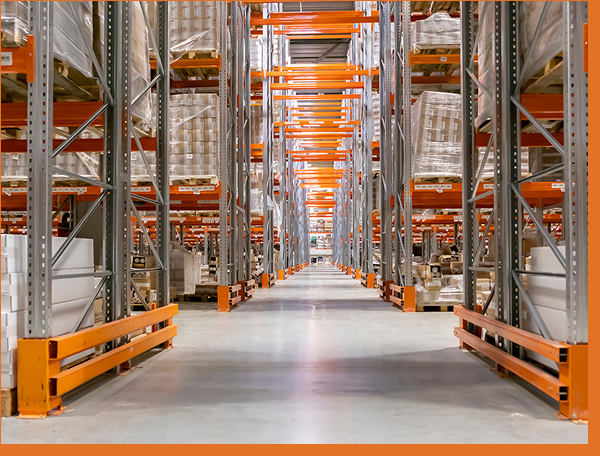
Warehouse space optimization often begins with several smaller constraints that affect one another. Warehouse Cubed follows product and employee movement across the operation to find where capacity is being lost and where routine work takes longer than it should.
Slotting and Pick-Face Capacity
Fast-moving items stored too far from packing or in pick locations that empty too quickly add travel and replenishment work. A warehouse slotting review uses velocity, order frequency, dimensions, cube, and handling requirements to place inventory more effectively.
Pick Paths and Work Areas
Long routes, backtracking, cross-traffic, and poorly placed carts or supplies can limit lines picked per hour. We review pick sequences, aisle direction, batching, replenishment timing, and workstation placement to simplify movement without creating new congestion.
Dock and Staging Flow
Crowded dock areas can slow receiving, putaway, order staging, and trailer loading. Changes may include clearer staging assignments, better door use, shorter routes to reserve storage, and defined lanes for inbound product, outbound orders, equipment, and employees.
Vertical Space and Storage Density
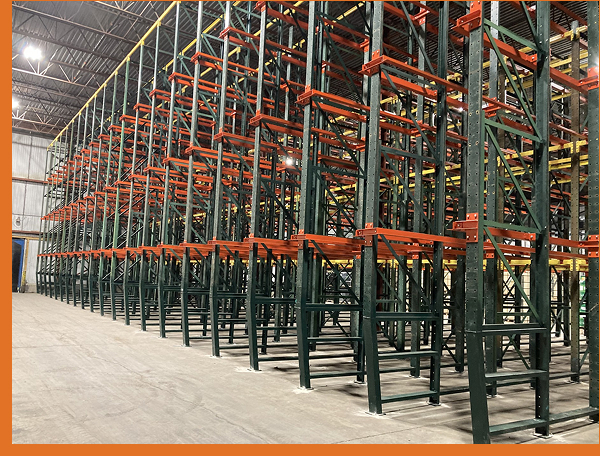
Unused clear height, oversized pick faces, wide aisles, and storage systems that no longer fit the inventory mix can reduce capacity. We compare rack configurations, lift-equipment requirements, vertical clearances, and potential warehouse mezzanines before recommending how to use the available cube.
Our Step-by-Step Methodology for Warehouse Transformation
Step-by-Step Strategies for Warehouse Efficiency and Success
1. Assessment & Data Gathering
We start by reviewing your current layout, equipment, and processes, gathering key operational data on inventory levels, throughput, and labor allocation.
2. Analysis & Strategy
Our experts identify areas of inefficiency and highlight cost-saving opportunities. We present a tailored optimization plan aligned with your goals and budget.
3. Design & Layout Planning
Using advanced CAD tools, we develop a new floor plan that improves traffic flow, maximizes vertical space, and positions high-demand SKUs in prime picking zones.
4. Implementation & Upgrades
From installing new racking systems to integrating conveyor lines, we handle the rollout of your optimized design with minimal downtime.
5. Review & Continuous Improvement
We monitor key performance indicators and recommend adjustments as your business evolves, ensuring long-term efficiency gains.
Key Elements That Make a Measurable Difference
Core Features & Benefits
Space Optimization
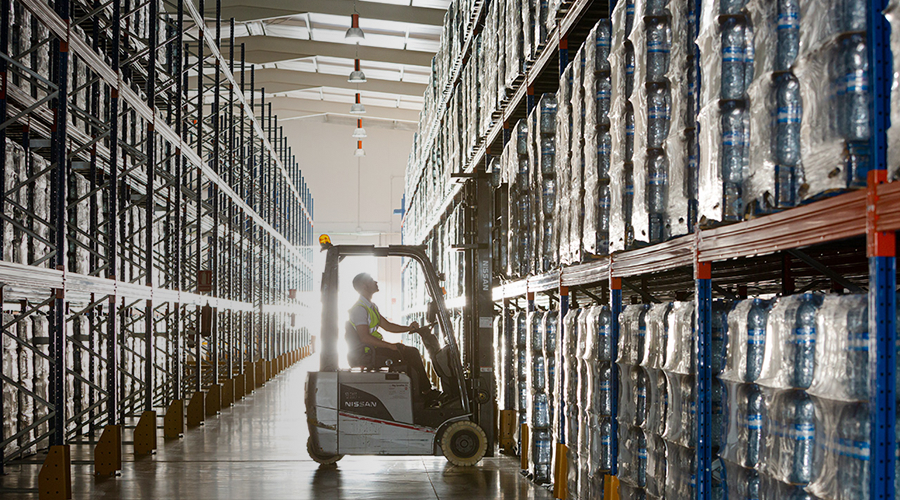
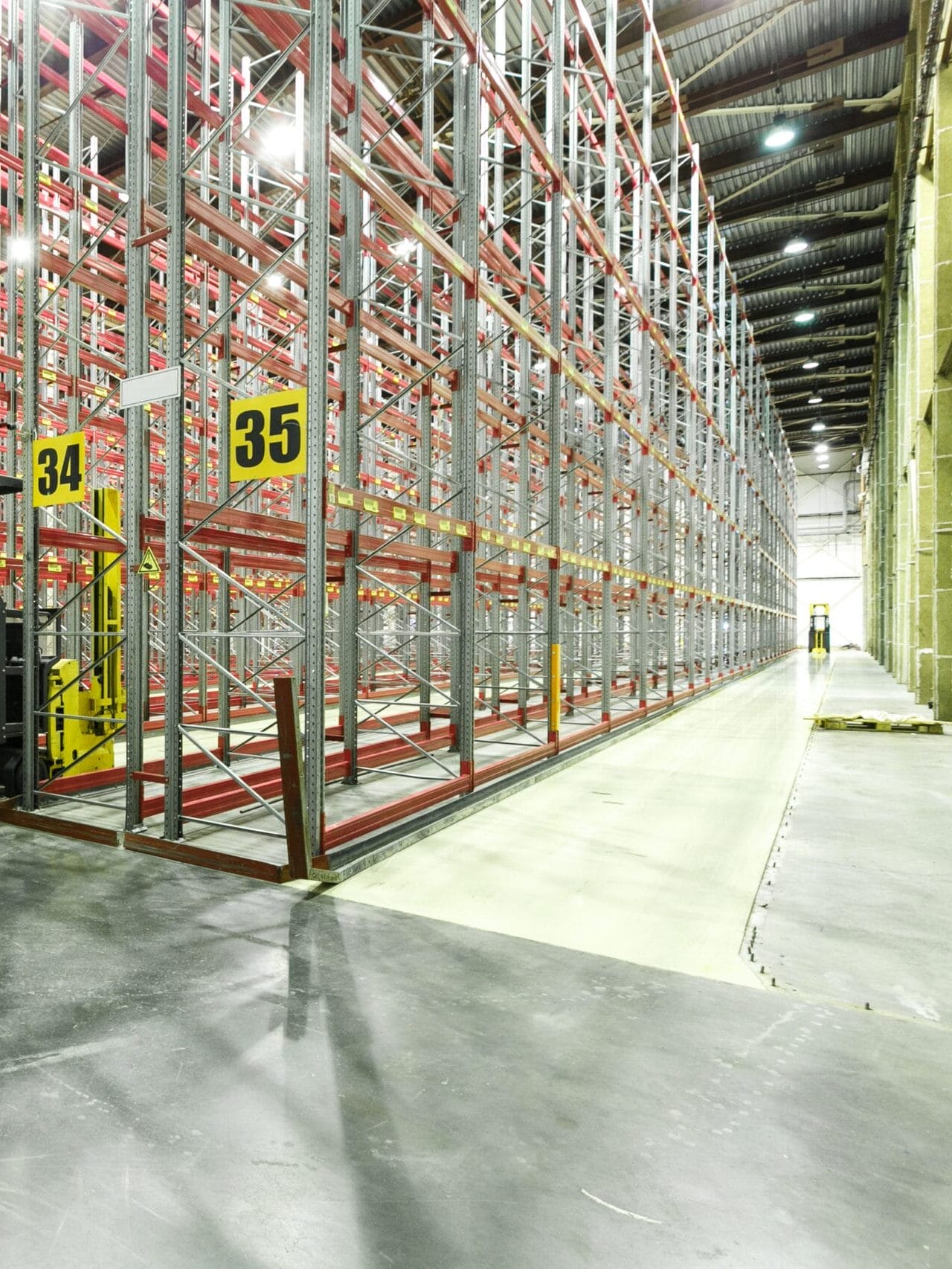
Unlock previously unused vertical storage and reorganize floor layouts to cut travel times and accommodate more SKUs.
Improved Picking Accuracy
Strategically place fast-moving items in easy-to-reach locations to reduce errors and speed up fulfillment.
Cost Reduction
Lower labor hours, diminish manual handling, and prevent stock damage through efficient workflows and sturdy racking solutions.
By focusing on these core elements, you can significantly boost operational efficiency while keeping labor and inventory costs in check.
Decades of Experience, Client-Focused Solutions, and Proven Results
Why Partner with Warehouse Cubed?
With a seasoned team of warehouse consultants, Warehouse Cubed has helped countless businesses optimize their operations. We leverage cutting-edge technology, industry best practices, and a customer-first mindset to deliver solutions that genuinely move the needle.
Our proven track record speaks to our commitment to superior service, from initial consultation to full-scale implementation and beyond. We don’t just walk away after the install—we stay engaged to ensure your warehouse keeps running at peak performance.
Take the First Step Toward a More Efficient Warehouse
Ready to Optimize Your Facility?
Whether you’re looking to reduce labor costs, improve throughput, or simply better utilize the space you already have, our team can help. Discuss Your Optimization Strategy with Warehouse Cubed today and discover how we can transform your warehouse operations for the long haul.