

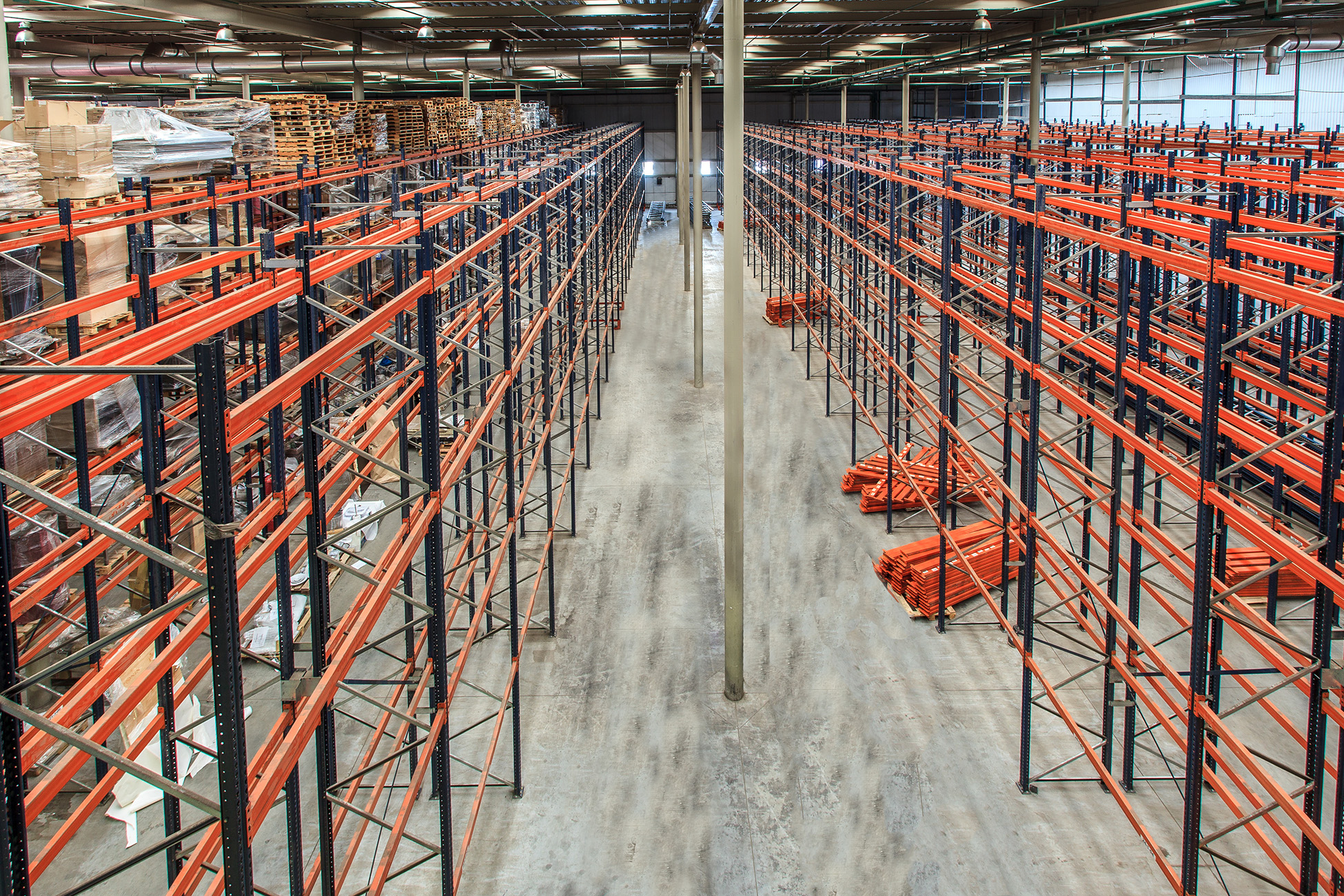
Warehouse Integration Services From Warehouse Cubed
Your Systems, Equipment and Processes
Bring the Whole Operation Into View
We provide warehouse integration services that connect systems, material handling equipment and processes. The starting point is the work you need them to do together. If you lack the capacity to complete a task, additional equipment may be part of the answer. If the pieces are in place but information or work stops between them, then it’s time to integrate.
Warehouse systems integration should have a defined purpose: what needs to move, where it needs to go and what a successful handoff looks like.
AWARD WINNING
SERVICE PROVIDER
Find Where the Handoff Breaks Down
Recognize Common Integration Challenges
A specific example is more useful than a broad request to “connect everything.” Look for the point where a routine task needs a workaround, then describe what happens on either side.
Disconnected Systems
Two systems may show different order or inventory information. Identify which record your team should rely on and where the update stops reaching the people who need it.
Manual Workflows
Your team may re-enter the same information or carry instructions between applications. Note what they transfer, how often and which checks they perform before the next task can begin.
Limited Visibility
A status update may arrive after someone has already made a decision. Describe who needs that information and when. The useful requirement is timely information for a specific task, rather than visibility into everything.
Costly Delays
Receiving, picking or shipping may pause while someone investigates an exception. Separate the wait for information from a physical capacity problem so the proposed change addresses the actual cause.
From Assessment to Handover
Our Integration Roadmap
Five stages take your project from assessment through integration, with the scope defined by your agreement.
1. Discovery and Analysis
Review current systems and workflows to pinpoint the problem and desired outcome.
2. Customized Planning
Map handoffs, check compatibility and assign responsibilities before work begins.
3. Implementation and Configuration
Sequence agreed system and equipment changes around daily operations.
4. Testing and Validation
Test normal workflows and exceptions against agreed acceptance criteria.
5. Training, Handover and Support
Clarify ownership, documentation and any training or support included in your agreement.
Connect the Work to a Useful Outcome
What a Connected Warehouse Can Improve
An integrated system is valuable when it changes how work gets done. Use the outcomes that matter to your operation to judge the proposed scope.
More Timely Data
Improved data flow can put an order or inventory update where it is needed sooner. Define the update timing around the decision it supports, and confirm what the connected systems can provide.
Less Repeated Work
A working connection can reduce re-entry and the checks needed to reconcile separate records. Keep necessary verification in view, and identify which manual steps the project is intended to reduce.
A Clearer Basis for Expansion
Documented connections and responsibilities give future changes a clearer starting point. When you add equipment or change a process, you can identify the affected handoffs and assess what needs to be revisited.
Better Coordination
Shared information can help operations, IT and other teams work from the same status. Pair that visibility with clear responsibility for exceptions, so an unresolved issue has an owner as well as an alert.
Practical Material-Handling Perspective
Why Partner With Us for Integration?
Our services span warehouse consulting, layout design and warehouse automation as well as integration. That breadth matters when the issue crosses software, equipment and daily operating practices. You can discuss how a proposed connection fits the wider operation and what work belongs in the project.
If the underlying problem still needs investigation, explore our warehouse consulting services. If your main decision concerns selecting or implementing a warehouse management system, see our WMS evaluation and implementation services.
Start With the Connection You Need to Improve
Discuss Your Integration Project
Tell us which systems and equipment you use, where the handoff fails and what you want to happen differently. Include a practical example, such as an order waiting for an update or information your team enters twice. Note any systems you need to retain and the operational constraints the project must respect.
You don’t need to arrive with a selected technology. Bring the problem you need to solve and the outcome you want to discuss.