

Warehouse Loading Dock Equipment Solutions
Speed Turnarounds and Protect Your Team
Every minute at the dock matters. We have the loading dock equipment you need to match your trailers, floor heights, and climate. From levelers to seals, lights, and restraints, we design a safer, faster workflow that reduces damage and near-misses.
Need rugged ramps or high-speed doors? We’ll size them to your traffic and budget. With thoughtful planning, clear signage, and durable components, your teams move freight faster while protecting people, goods, and gear.
Warehouse Cubed has solutions for your most critical material handling needs: pallet rack layouts, warehouse safety barriers, guard rails, and industrial shelving; conveyor systems for smoother flow; ergonomic lifting equipment to reduce strain; modular offices and mezzanines for added space; and packaging equipment that speeds shipping. Contact us for safer docks, faster turns, and a more efficient warehouse.

Warehouse Loading Dock Products
Warehouse Cubed supplies loading dock equipment for receiving, shipping, trailer access, environmental control, material movement, and dock safety. We help you select products around trailer types, dock height, load weight, traffic volume, building conditions, and the way employees and equipment move through the area.
Available warehouse loading dock equipment includes:
- Dock Boards
- Dock Plates
- Dock Levelers
- McGuire
- CentraAir (CA) Air Powered Dock Levelers
- Edge of Dock Levelers
- Yard Ramps
- Cable Bridges
- Aluminum Work Ramps
- Steel Ramps and Bridges
- Dock Seals & Dock Shelters
- Moving Pads
- Dock Leveler Insulation Blankets
- Dock Lifts
- Wheel Chocks and Wheel Risers
- Replacement Strips and Roll Guards
- Dock Bumpers
- Loading Dock Lights and Fans
- Gooseneck Industrial Lights
- Dock Warning Lights
- Cozy Heating Products
- Dock and Doors
- Dock Locks
- Dock and Door Products
- Trailer Stabilizing Jacks
- Pallet Jacks, Ratchets
- Cable Protectors
- Rubber Duct Protectors
- Heating Equipment
- Rug Rams and Carpet Poles
- NEW! LED DOCK LIGHTs
- Indicator Lights
- Freight Scales, Mirrors
- Industrial Fans
- Air-Powered Doors
- Overhead Doors
- Steel Roll Up Doors
- Panel Doors
- Insulated Doors
- Sectional Doors
- Overhead Doors
- Upward Acting Doors
- Fabric Doors
- Air Doors
- Knock-Out Doors
- Automated Entry Doors
- Strip Doors & Curtains Strips
- Air Curtains
- Sound Curtains
- Clean Curtains
- Curtain Wall Partitions
- Fire Doors
- Translucent and High Speed Doors
- Air Doors
- Dock Seals
- Freezer Doors
- Coiling Doors
- Coiling Grilles
- Security Grilles
- Counter Shutters
- Impact Doors
- Dock Screens and Gates
- and much more…
We can also review damaged or aging equipment and help determine whether dock plate repair, component replacement, or a new product is the more practical option. Selection should account for capacity, condition, maintenance access, and daily use.
Dock Levelers, Plates, and Ramps
Dock levelers, plates, and ramps bridge changes in height between a loading dock, trailer, yard, or warehouse floor. Choosing among them depends on the vehicles being served, load weight, handling equipment, frequency of use, height difference, and whether the equipment needs to remain fixed or move between locations.
Dock Levelers
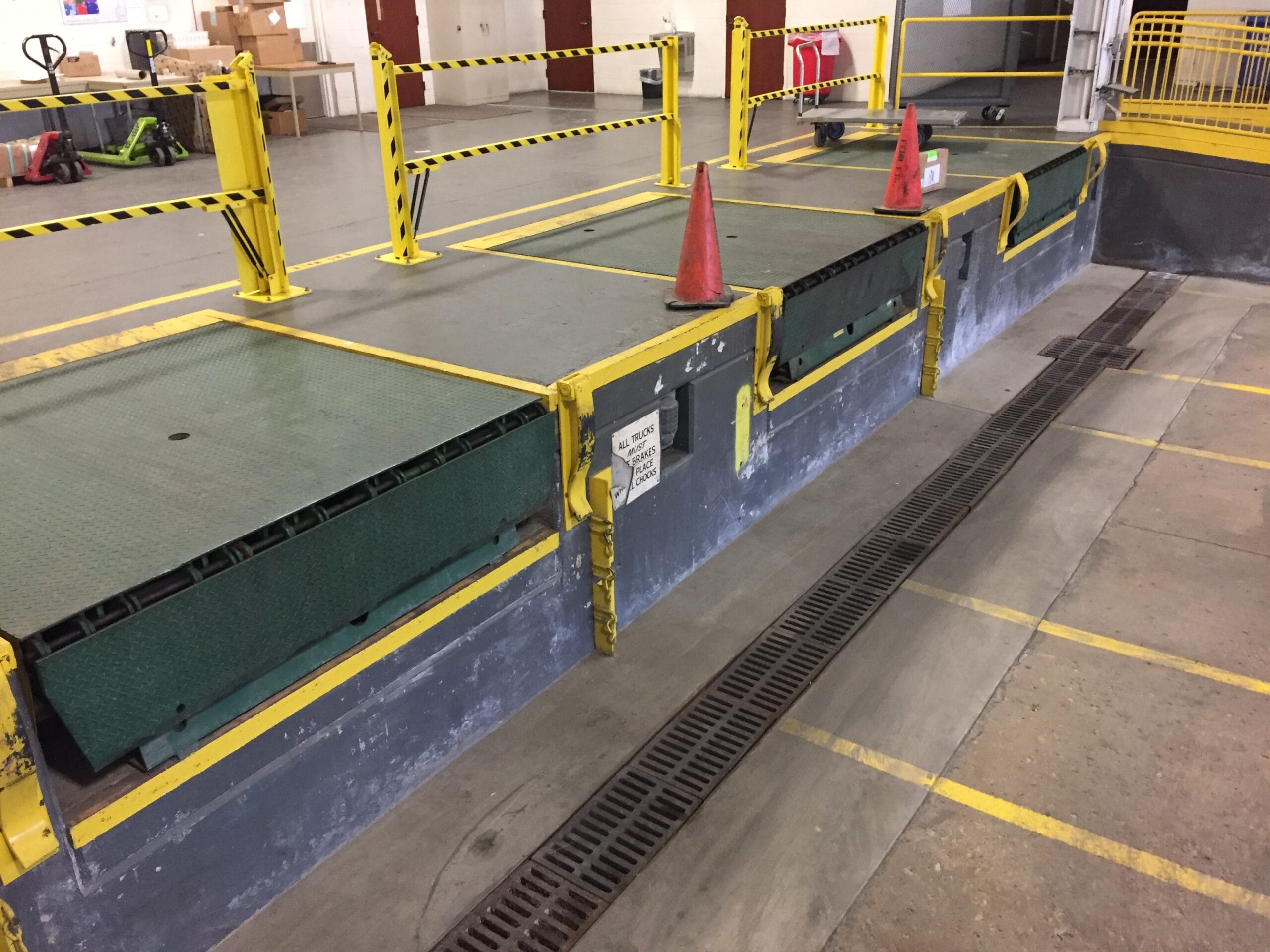
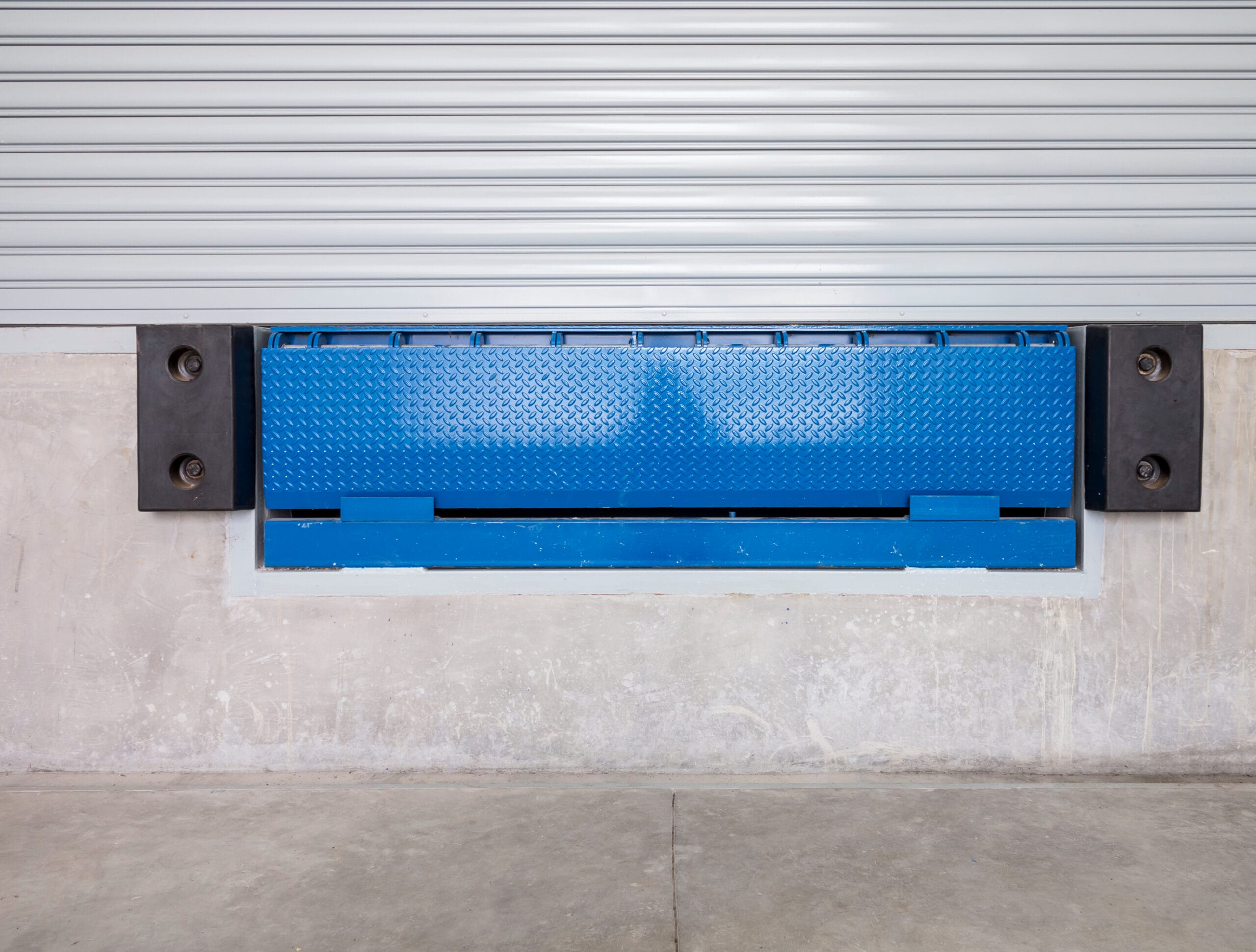
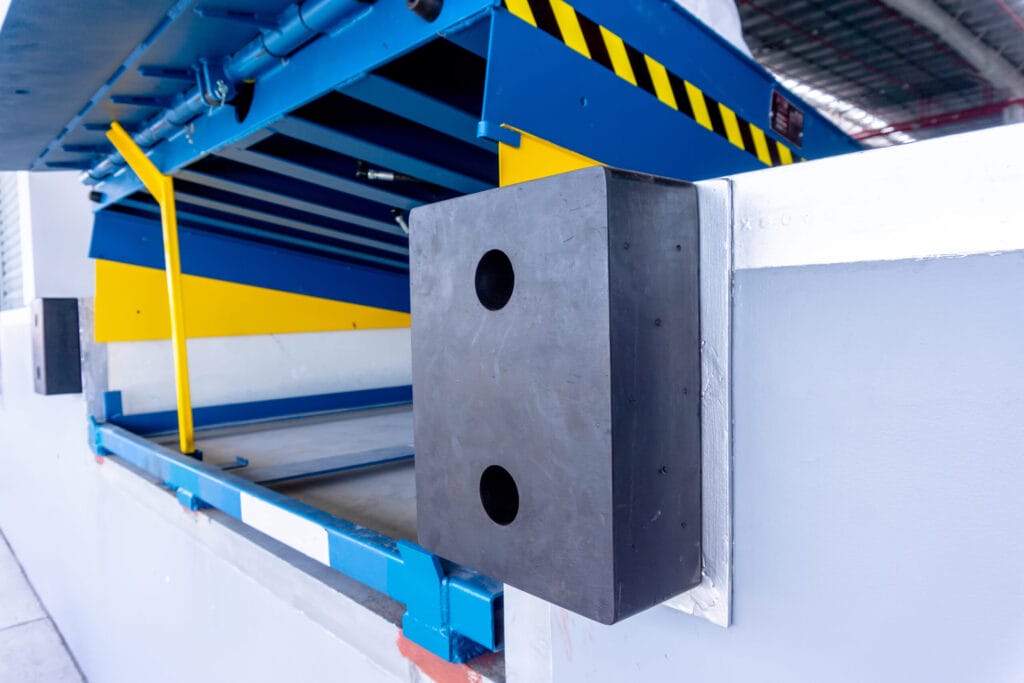
A dock leveler is installed at a dock position and creates a transition between the building and trailer bed. A warehouse or truck dock leveler may be a good fit for doors that handle regular lift-truck or pallet traffic. Mechanical dock levelers use a spring-based operating system, while air-powered options use an inflatable air bag lifting system and hydraulic dock levelers use pressurized fluid and cylinders. Edge-of-dock units serve applications with a narrower working range and limited recessed space.
Dock Plates and Dock Boards
Dock plates are portable units used to span smaller gaps and height differences. Dock boards generally provide greater capacity and include curbs that help guide handling equipment. The correct dock plate or board must match the load, equipment, width, height difference, and intended use. A dock plate leveler or dock plate ramp should never be selected by dimensions alone.
Yard and Work Ramps
A warehouse dock ramp can connect ground-level areas with trailers, loading docks, or elevated work zones. Yard ramps support mobile loading where a permanent dock position is unavailable. Work ramps and steel bridges can address shorter transitions within the facility. Surface traction, grade, capacity, edge protection, and available maneuvering space all affect the selection.
Choosing Dock Equipment for Your Facility
Loading dock equipment should fit the way freight arrives, moves through the dock, and enters the warehouse. A good review starts with the dock positions, trailers, loading process, employees, and vehicles that use the area during a normal shift and during peak periods.
Key selection factors include:
- Door count and dock use: Identify active loading dock doors, dedicated receiving or shipping positions, shared doors, and locations that may need different equipment.
- Trailer mix: Record common trailer heights, widths, bed conditions, visit frequency, and any straight trucks, vans, or specialty vehicles that use the dock.
- Traffic patterns: Review lift-truck routes, pedestrian paths, staging areas, turning space, door queues, and movement between the shipping dock and storage areas.
- Loads and handling equipment: Confirm pallet weights, load dimensions, lift-truck types, pallet jacks, carts, and other equipment that will cross the dock connection.
- Building and weather conditions: Consider dock height, approach, drainage, wind, temperature control, exposure, door construction, and the need for loading dock seals.
- Safety and maintenance: A warehouse safety audit can identify traffic conflicts, unprotected edges, visibility problems, damaged equipment, and areas that need guarding or clearer procedures.
These details help define the right dock equipment and the work needed for loading dock installation. They also give your team a better basis for comparing capacity, operation, maintenance access, and long-term use.