
Pallet Rack Inspection Services
Professional Pallet Racking Inspection You Can Act On
Damaged racking is one of the most common and most overlooked hazards in any warehouse. A single compromised upright or overloaded beam can lead to a partial or full rack collapse, putting workers at risk and shutting down operations for days.
A professional pallet rack inspection service identifies structural damage, load capacity violations, and code compliance gaps before they escalate into injuries, OSHA citations, or catastrophic failures. Warehouse Cubed delivers detailed, field-verified inspections aligned with ANSI/RMI standards and local high-pile storage requirements so your facility stays safe and audit-ready.
AWARD WINNING
SERVICE PROVIDER
What Gets Inspected
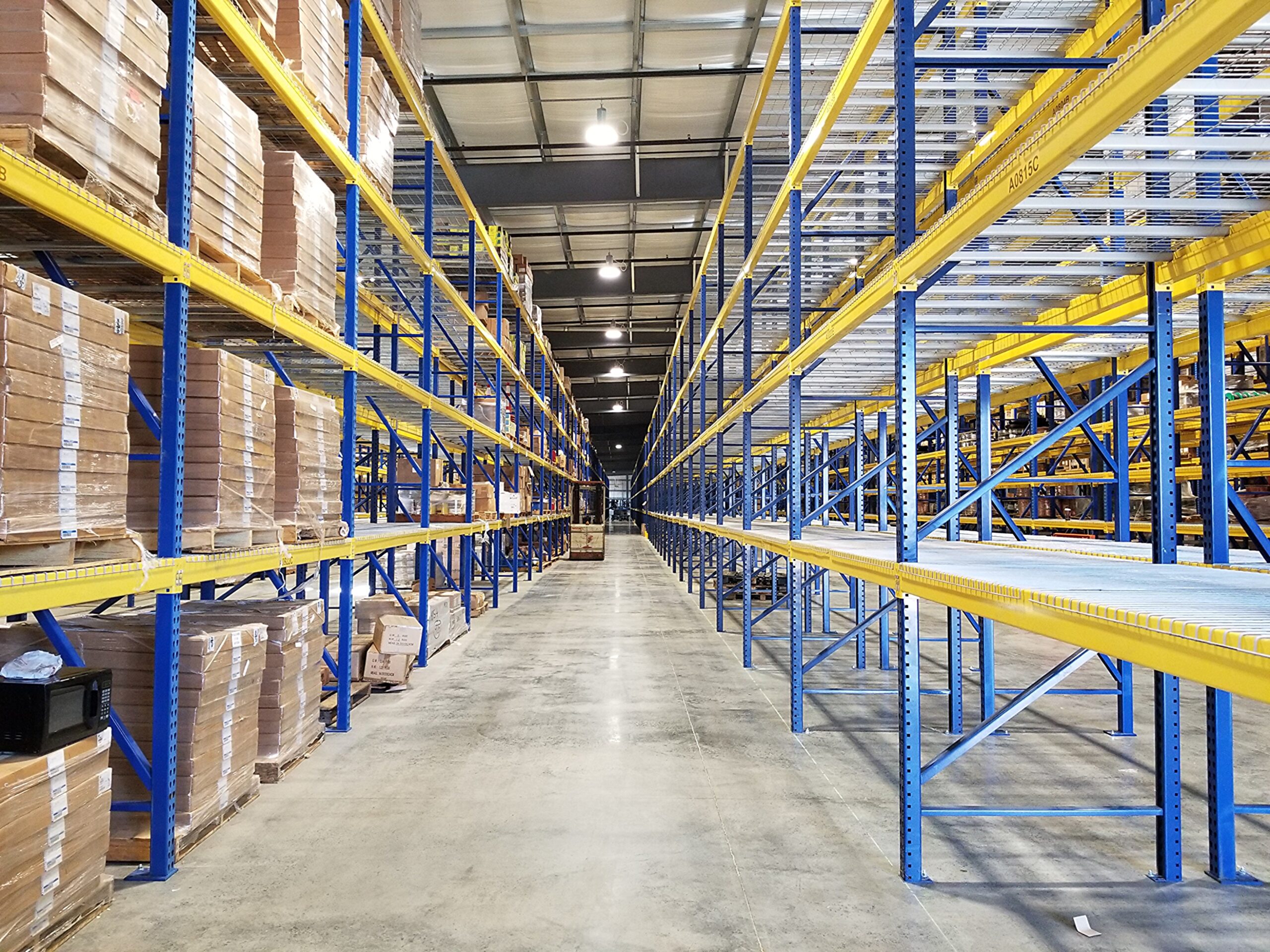
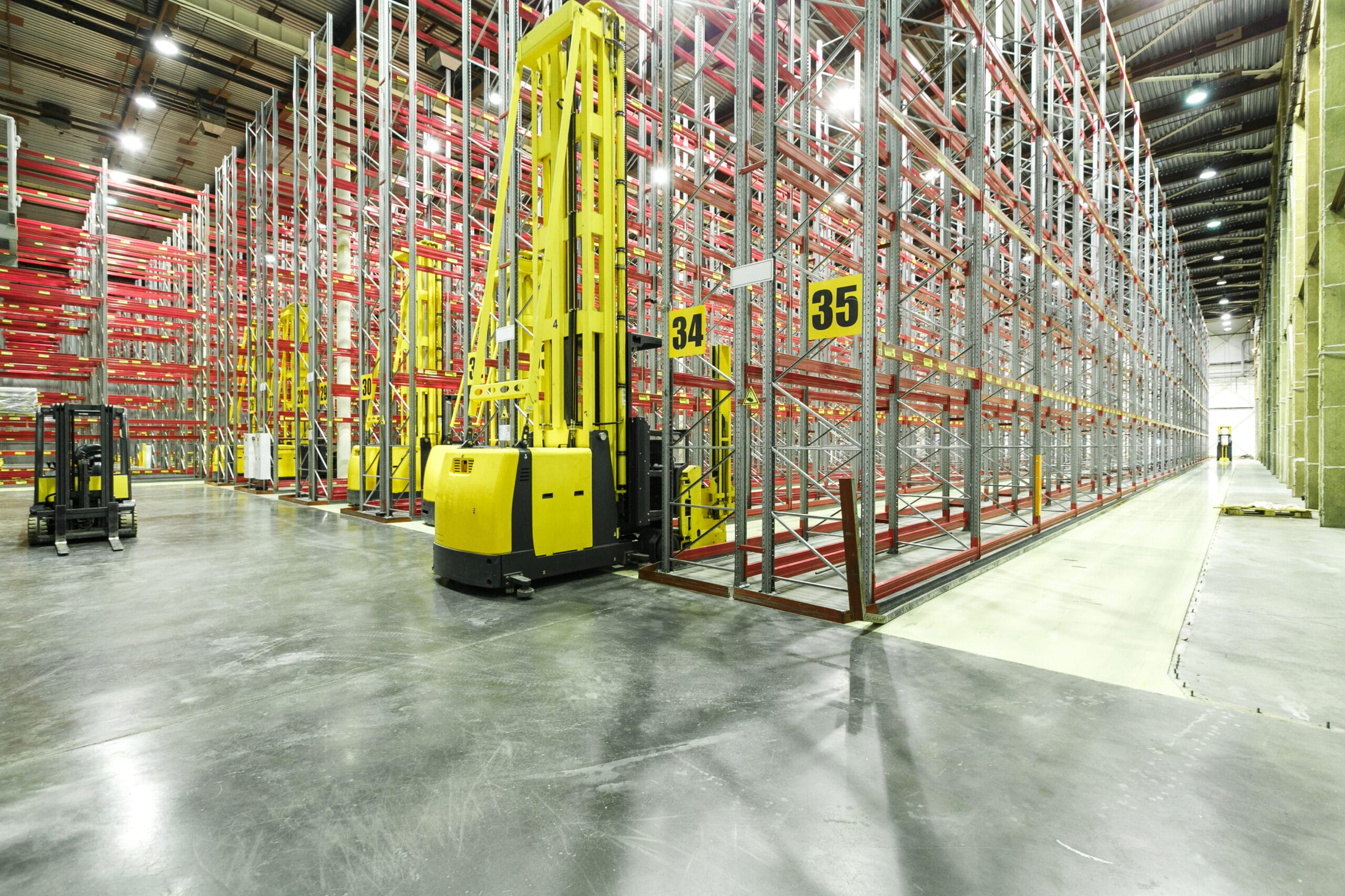
Our rack safety inspection covers every component in your storage system, from the floor anchor to the top tie. We evaluate both individual part condition and overall system configuration to give you a complete picture of risk.
Structural components
- Uprights and columns checked for plumb, twist, dents, tears, and weld fractures
- Beams evaluated for deflection, end-connector damage, and proper seating
- Base plates and anchors inspected for secure attachment to the floor slab
- Bracing (horizontal and diagonal) reviewed for missing, bent, or disconnected members
- Frame-to-beam connections confirmed for safety clips or locking pins at every position
System configuration
- UprighLoad capacity labels verified at every bay against actual stored loads
- Beam elevations and spacing checked for adequate clearance above the tallest load
- Flue spaces and sprinkler clearance measured for fire-code compliance
- Aisle widths confirmed for safe forklift operation per equipment specs
- Seismic bracing and building ties reviewed where required by local code
High-Pile Storage Focus
Facilities with storage heights above 12 feet (the typical high-pile threshold) face additional fire marshal and building department requirements. Our inspections address high-pile storage permit conditions, in-rack sprinkler placement, commodity classification, and compliance with NFPA 13 and local fire codes.
If your facility crosses the high-pile threshold or is adding stored volume that will, we document where your current rack and sprinkler setup stands and what has to change for sign-off.
How we classify findings
Reporting and Severity Levels
Every inspection produces a clear, actionable report. We don’t hand you a vague checklist. You get documented findings organized by severity so your team can prioritize repairs and budget accordingly.
Critical
Immediate risk of collapse or injury. The affected bay or section should be unloaded and taken out of service until repaired or replaced.
Serious
Structural damage or code violation that does not pose an immediate collapse risk but will worsen over time. Repair should be scheduled promptly.
Moderate
Minor damage or configuration issues that should be corrected during the next planned maintenance cycle.
Observation
Items that are within acceptable limits today but should be monitored going forward.
What the report includes
What the report includes
- Photo documentation of every finding with location references
- Severity classification for each item
- Relevant ANSI/RMI, OSHA, and local code references
- Recommended corrective actions with prioritized timelines
- Executive summary suitable for leadership review and insurance documentation
This report gives your safety manager, operations team, and any third-party auditors a single source of truth for your racking condition.

Remediation: Repairs, Retrofits, and Replacement
Identifying damage is only half the job. Warehouse Cubed also handles the corrective work so you don’t have to coordinate a separate contractor.
Common remediation services
- Column repair kits that restore structural capacity to damaged uprights without replacing the entire frame
- Beam replacement with matched new or used beams that meet the original load rating
- Base plate and anchor re-sets for uprights that have shifted or lost anchor integrity
- Safety accessory installs including column protectors, end-of-aisle guards, rack-back netting, and load capacity signage
- Full bay or row replacement when damage is beyond repair
Our repair services are performed by experienced installation crews who follow the same ANSI/RMI standards used during the inspection. Every repair is documented and added to your facility’s inspection record.
When a retrofit makes more sense
Sometimes the best fix is not a one-for-one replacement. If your operation has changed since the racking was originally installed (heavier loads, different pallet sizes, new forklift equipment), a retrofit can reconfigure the existing system to meet current demands safely. This is where our inspection findings connect directly to our broader safety audit and consulting services, helping you move from reactive maintenance to a proactive storage strategy.
Schedule Your Pallet Racking Inspection
Don’t wait for an incident or a failed fire marshal visit to find out what’s wrong with your racking. A proactive pallet racking safety inspection protects your people, keeps your facility compliant, and gives you a clear plan for corrective action.
Have this ready when you call for the fastest service
- Facility address and number of buildings or zones to inspect
- Approximate number of rack bays and storage height
- Date of last inspection (if applicable)
- Any known damage, recent forklift impacts, or open citations
- Preferred timeline for the inspection