

Ergonomic Material Handling and Lifting Gear
Reduce Strain, Lift More, Work Better
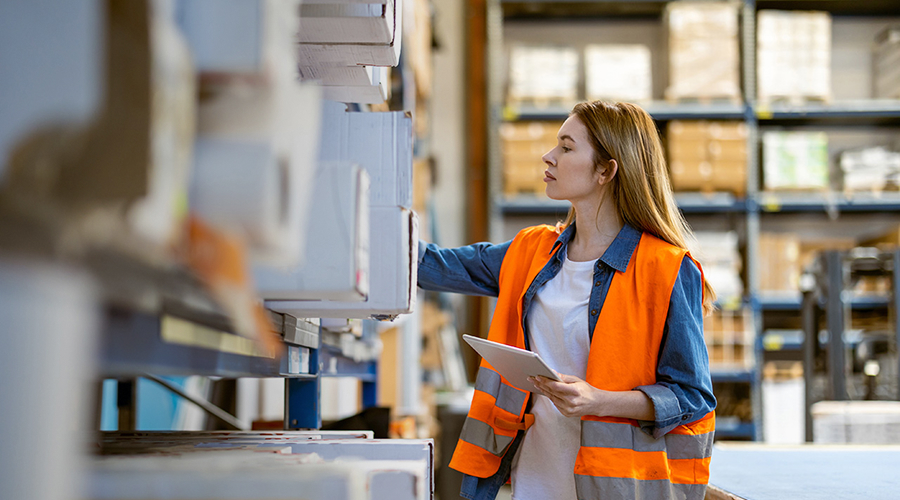
Ergonomic material handling equipment helps employees lift, lower, turn, position, and move materials with less bending, reaching, and physical effort. The right equipment depends on the load, task, work height, movement, frequency, and space available at the workstation.
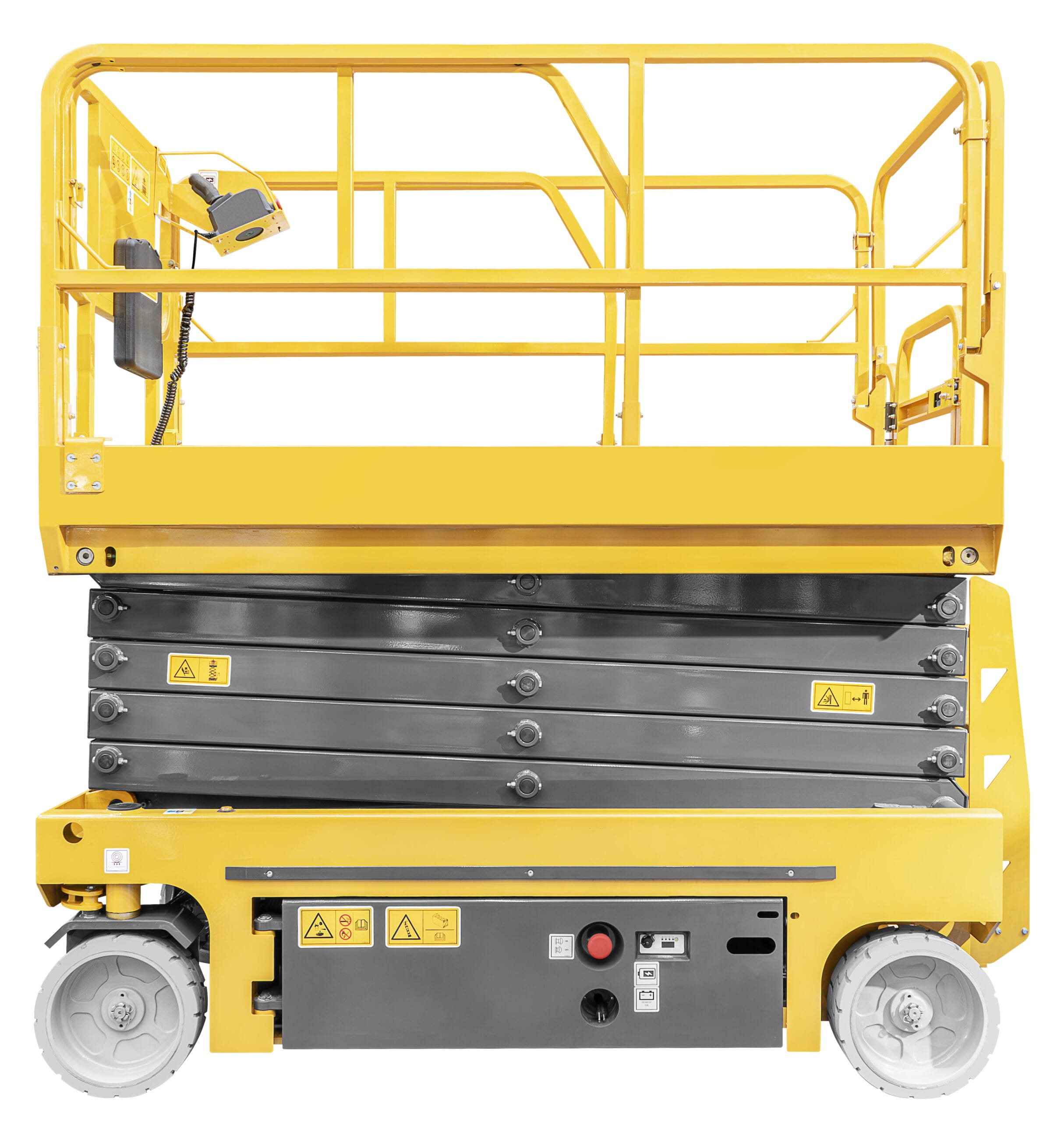
Warehouse Cubed supplies ergonomic lifting devices and material lifting equipment for picking, packing, stocking, assembly, maintenance, and industrial material handling. Options include lift tables, tilters, pallet positioners, lift platforms, hoists, cranes, stackers, order pickers, dollies, and floor matting.
We can help you match the equipment to the work being performed. A well-planned station can make loads easier to reach, reduce injuries, and support a safer work environment.
As a material handling equipment supplier, we also consider capacity, reach, frequency, floor space, power, load stability, and how each device fits with nearby warehouse handling equipment.
Ergonomic Material Handling and Lifting Products
- Scissor Tables
- Tilters
- Work Positioners
- Lift Platforms
- Dollies
- Pallet Positioners
- Various Hoists and Trolleys and Jib Cranes
- Jib Telescoping
- Industrial Floor Cranes
- Cranes: Adjustable, Fixed, Gantry, and Bridge
- Powered Stackers
- Lift Trucks
- Order Pickers
- Steel Dumping Buggy
- Anti-Fatigue Matting
- Various Other Floor Matting
- Ez Loader Self Adjusting Lift Tables
- Machines for Utility Work
- Stackers, Drum Handlers
- Adjustable Stands
- Lift Tables
- Lift Magnets
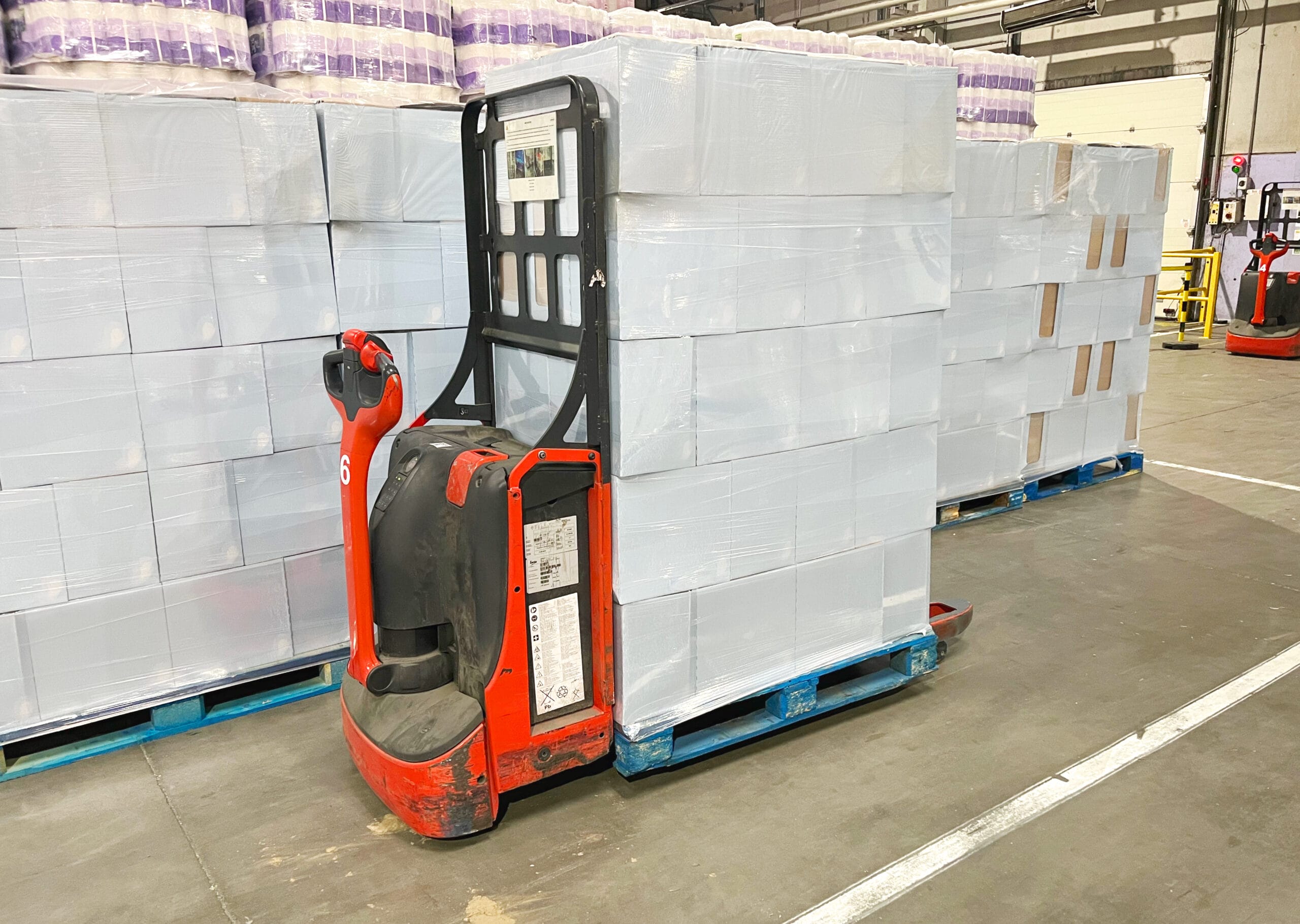
- Self-Propelled Pallet Trucks
- and much more…

Lift Tables, Tilt Tables, and Positioners
Lift tables, tilt tables, and positioners bring materials closer to a useful working height or angle. Selection should begin with the load, the task, and how materials enter and leave the station.
Lift Tables
Lift tables raise or lower a level platform. They can support palletizing, depalletizing, assembly, packing, maintenance, and work that moves between different heights. Ergonomic stocking tables can keep cartons and products within a more comfortable reach range.
Tilt Tables
Tilt tables angle a bin, container, or load toward the employee. They can reduce deep reaching and make parts easier to see and handle during picking, sorting, or assembly. Lift-and-tilt units provide both height and angle adjustment.
Pallet and Work Positioners
Positioners hold pallets, containers, tools, or components at a useful height and orientation. Rotating units can provide access to different sides of a load with less walking and twisting during packing, assembly, inspection, or order fulfillment.
Other Lifting and Movement Equipment
Hoists, cranes, stackers, lift platforms, material handling trucks, and automated lifting equipment can support heavier loads. Selection depends on capacity, load control, travel distance, floor conditions, clearances, power, and the employee’s role.
Why Ergonomic Equipment Pays for Itself
Ergonomic equipment can lower the physical demands of routine material handling. Limiting high-force lifts, long reaches, awkward postures, and repeated movements may help reduce the risk of injuries and other musculoskeletal injuries when moving heavy loads.
The benefits may include:
- Fewer injury-related costs: Lower exposure may help reduce medical treatment, restricted work, lost time, and OSHA-recordable cases.
- Increased productivity: Employees spend less effort repositioning loads and recovering between difficult lifts.
- More staffing flexibility: Lifting aids in the workplace can make demanding tasks practical for more trained employees.
- Less product damage: Controlled lifting and positioning can reduce drops and unstable handling.
The choice between a lift table, tilt table, positioner, or another lifting aid depends on the task. A warehouse safety solutions review can identify difficult lifts, reaches, traffic conflicts, and workstation problems. Related safety and protection products can address guarding and separation around the work area. Results depend on equipment selection, training, use, maintenance, and workplace conditions.